
The work, explained clearly.
What each program involves, what we deliver, and how we work alongside your team throughout.
Community Event Programming
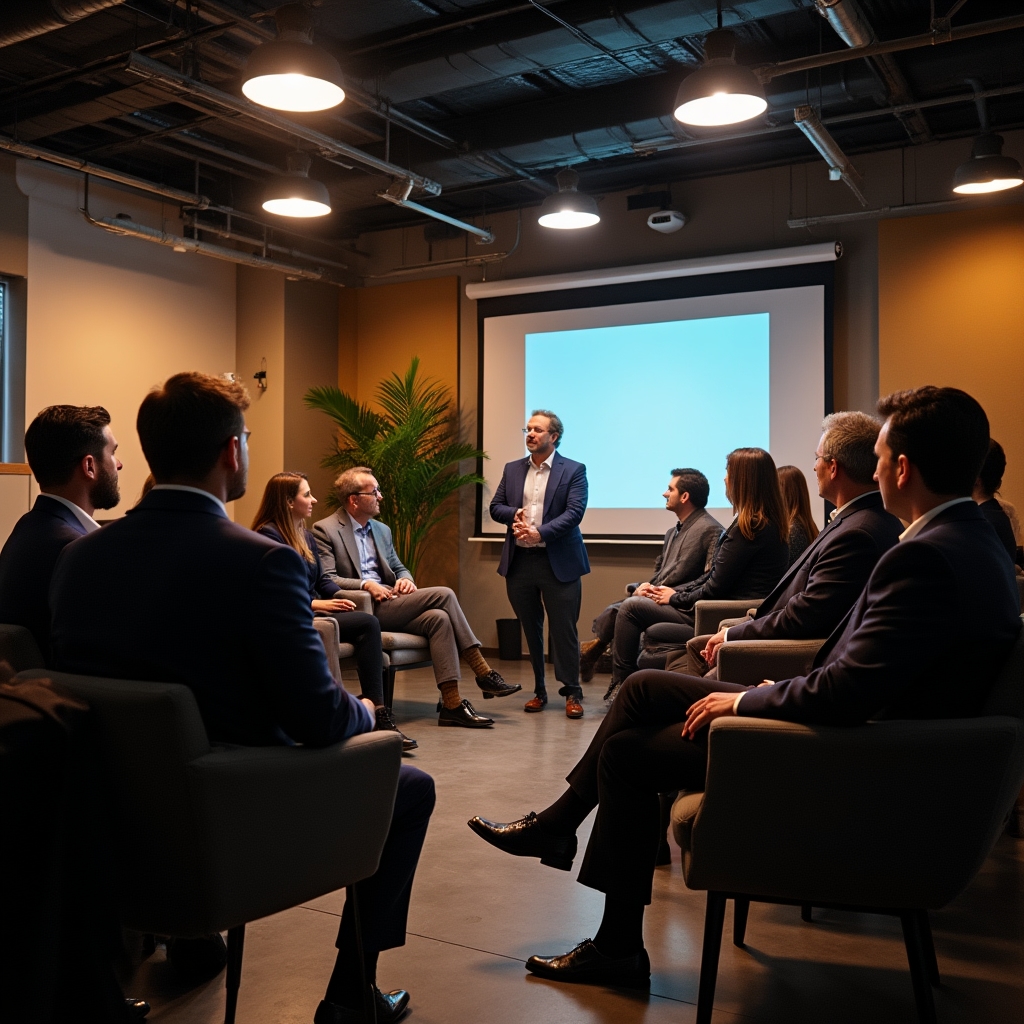
Events in coworking spaces often fail because they're designed around what's easy to organize rather than what members actually want. A happy hour on a Friday might draw well the first time. After that, it becomes background noise. We approach event programming as a retention tool first and a community-building tool second, and those two goals don't always point in the same direction.
Our process starts with understanding your member composition. The programming needs of a space full of freelance designers look completely different from one serving primarily small remote teams. We conduct member listening sessions, analyze past event attendance patterns if you have them, and build a programming calendar that has variety, rhythm, and a clear purpose behind each type of event.
We cover the full range of event types, from skill-sharing sessions and industry roundtables to informal social formats and member spotlight opportunities. We also help you think through logistics like optimal timing, room configuration for different event styles, how to document and share events for members who couldn't attend, and how to measure whether your programming is actually building the connections you want.
Discuss This ProgramWorkspace Layout for Different Work Styles
A coworking space serves people with radically different working patterns. Some members need hours of unbroken concentration. Others thrive on spontaneous conversation and collaboration. Many need both at different points in the same day. A floor plan that doesn't acknowledge these differences creates constant low-level friction that members feel but can't always articulate.
We map your current layout against your member mix and identify the zones of conflict. This usually means looking at acoustic design, visual privacy, traffic flow, and the transition spaces between different area types. We work with your physical constraints, because most spaces can't do a full renovation, and find ways to differentiate zones through furniture arrangement, acoustic panels, wayfinding, and social norms that members are actually shown and asked to respect.
The deliverable is a revised layout proposal with rationale, an implementation sequence that minimizes disruption, and a set of member communication materials explaining the changes and the thinking behind them. Members respond much better to changes when they understand why they're happening.
Discuss This Program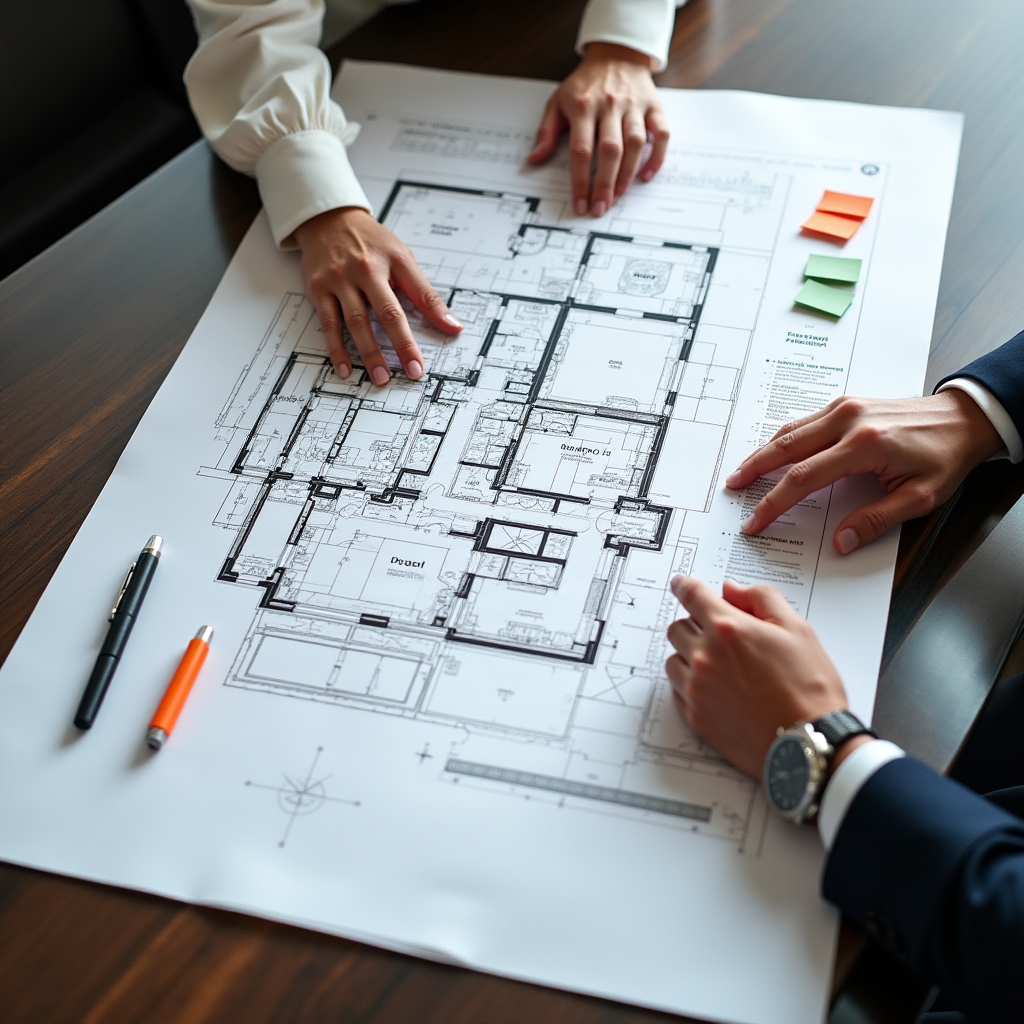

Pricing Tier Design
Pricing in coworking is genuinely complicated. You're not just selling desk access. You're selling a level of belonging, a set of amenities, and a social identity within the space. Members at different tiers need to feel that the gap between their tier and the one above it is real and worth considering, but not so large that they feel second-class.
We analyze your current tier structure against your actual costs, your member usage patterns, and the pricing landscape of comparable spaces in your market. We look at where members cluster, which tiers see the most churn, and whether the features assigned to each tier actually reflect what members at that level value. Sometimes the problem is simple: the mid-tier is priced too close to the top tier, removing the upgrade incentive. Sometimes it's more subtle.
We deliver a revised tier structure with clear value differentiation at each level, recommended communication language for explaining changes to existing members, and a transition plan that protects your current member relationships while moving toward a structure that works better long-term.
Discuss This ProgramHandling Noise Complaints Diplomatically
Noise is the single most common source of member conflict in coworking spaces. It's also the one most likely to result in a departure if handled badly. The challenge is that noise complaints are almost always emotionally charged on both sides. The person making the complaint feels their work is being disrupted. The person being complained about often feels unfairly targeted.
We help you build systems that reduce the likelihood of noise conflicts occurring in the first place, through better zone design and clearer community norms. And we train your team on the specific communication approaches that de-escalate these situations rather than inflaming them. This includes how to approach someone about their noise level, how to handle a situation where both parties feel wronged, and how to follow up after an incident to make sure both members still feel valued.
We also help you think through your community agreements and how they're introduced to new members. Norms that are established at the beginning of a membership are far easier to enforce than ones introduced after a conflict. The program includes staff role-play training, written communication templates, and a community agreement framework you can adapt to your space's culture.
Discuss This Program

Building a Referral Culture Among Members
Referral programs in coworking spaces often feel transactional in a way that makes members uncomfortable. Offering a month of free desk time for a referral puts members in the position of feeling like they're selling something to their professional network. The most effective referral cultures we've seen don't rely on incentives at all. They rely on members being genuinely enthusiastic about their space and having easy ways to share that enthusiasm.
We help you build the conditions for organic referral behavior. This starts with identifying your most engaged members and understanding what specifically they love about the space. It continues with designing moments and touchpoints that make members feel proud to be part of your community, and making it easy and natural for them to invite people they respect into it.
We also help you design a structured referral process for the members who do want to actively refer, one that feels reciprocal and respectful rather than commercial. The goal is a culture where bringing someone new into the space feels like a gift to both parties, not a transaction.
Discuss This ProgramTracking Occupancy Patterns for Expansion Decisions
Expansion decisions made without solid occupancy data are expensive guesses. We've seen spaces expand into adjacent square footage because it became available, only to find that their demand was concentrated in specific time windows and desk types that didn't translate into the new space. And we've seen spaces hold off on expansion because their overall occupancy rate looked modest, when in reality certain zones were consistently full while others sat empty.
We help you build a data collection framework that captures the patterns that actually matter: which zones are used at which times, which desk types are most in demand, which member segments are growing, and where your waitlist pressure is concentrated. We work with whatever tools you have, from simple spreadsheet tracking to more sophisticated access control data, and build a reporting structure that gives you a clear picture without overwhelming your team.
The output is a set of expansion decision frameworks specific to your space, including threshold indicators that suggest when expansion is warranted, what type of expansion is likely to serve your member mix, and how to phase any expansion to maintain the community feel that your existing members value.
Discuss This Program
Not sure which program fits? Start with a conversation.
We'll help you figure out where to focus first. Most engagements start with the area causing the most immediate pain and expand from there as we get a clearer picture of the whole system.
Get in Touch